Safety Training in the UAE — Why the Course Provider Matters as Much as the Certificate
A safety certificate that was easy to get isn’t the same as one that actually means something. In the UAE’s workplace safety environment — where regulations are enforced, incidents get investigated, and employers are held accountable — training that produces real competence is worth more than training that just produces a document.
IOSH Training in UAE — What the Qualification Actually Covers
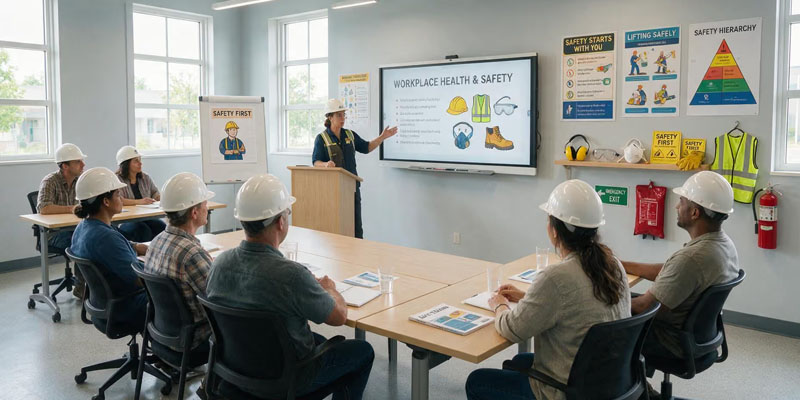
IOSH — the Institution of Occupational Safety and Health — is one of the most recognised professional bodies for workplace health and safety globally. The IOSH Managing Safely course is the most widely taken, designed for managers and supervisors who need to understand their safety responsibilities without becoming full-time safety professionals.
IOSH training in UAE has become a standard requirement across construction, oil and gas, facilities management, manufacturing, and increasingly across corporate environments where organisations are formalising their safety management approach. Employers who require IOSH training in UAE are looking for evidence that their management team understands hazard identification, risk assessment, incident investigation, and legal responsibilities — not just that they attended a course.
The practical value of IOSH training in UAE comes from the course content’s direct applicability to real workplace situations. Participants work through risk assessment exercises, investigate simulated incidents, and develop an understanding of how safety management integrates with operational management. A manager who completes IOSH training in UAE properly leaves with tools they can apply on Monday morning — not abstract theory.
First Aid Training in Abu Dhabi — Who Actually Needs It and Why
The honest answer is more people than currently have it. First aid training in Abu Dhabi is relevant for any workplace where people could be injured — which covers most workplaces. Construction sites, warehouses, factories, offices, schools, hotels, and healthcare-adjacent facilities all benefit from having trained first aiders present during working hours.
Abu Dhabi’s regulatory environment increasingly reflects this. OSHAD — the Abu Dhabi Occupational Safety and Health Centre — specifies first aider ratios for workplaces as part of the CoP requirements. Employers in Abu Dhabi who don’t meet these requirements face compliance issues that go beyond just the moral argument for having trained staff on site.
First aid training in Abu Dhabi covers the core skills that make the difference between a minor incident and a serious one — CPR, bleeding control, management of unconscious casualties, recognition of medical emergencies, and the correct use of AEDs. The difference between a workplace with trained first aiders and one without shows up most clearly in the critical minutes before emergency services arrive.
Quality of delivery matters significantly for first aid training in Abu Dhabi . Skills-based training that gets participants physically practising CPR, bandaging, and casualty management produces retention that lecture-style delivery doesn’t. A provider who runs hands-on sessions rather than primarily theoretical ones sends participants away with skills they can actually apply under pressure.
Combining Safety and First Aid Training
Organisations that approach safety training systematically — rather than responding to regulatory requirements as they arise — get better outcomes. A management team with IOSH qualifications and a workforce with current first aid certification produces a safety culture that’s visible in how incidents are prevented and handled.
Talk to Gulf Test Safety Consultancies Before the Next Training Cycle
Gulf Test Safety Consultancies delivers IOSH training and first aid courses across the UAE including Abu Dhabi. For organisations planning their next training intake or reviewing their safety compliance position, getting in touch before the training calendar fills up is the practical first step.